
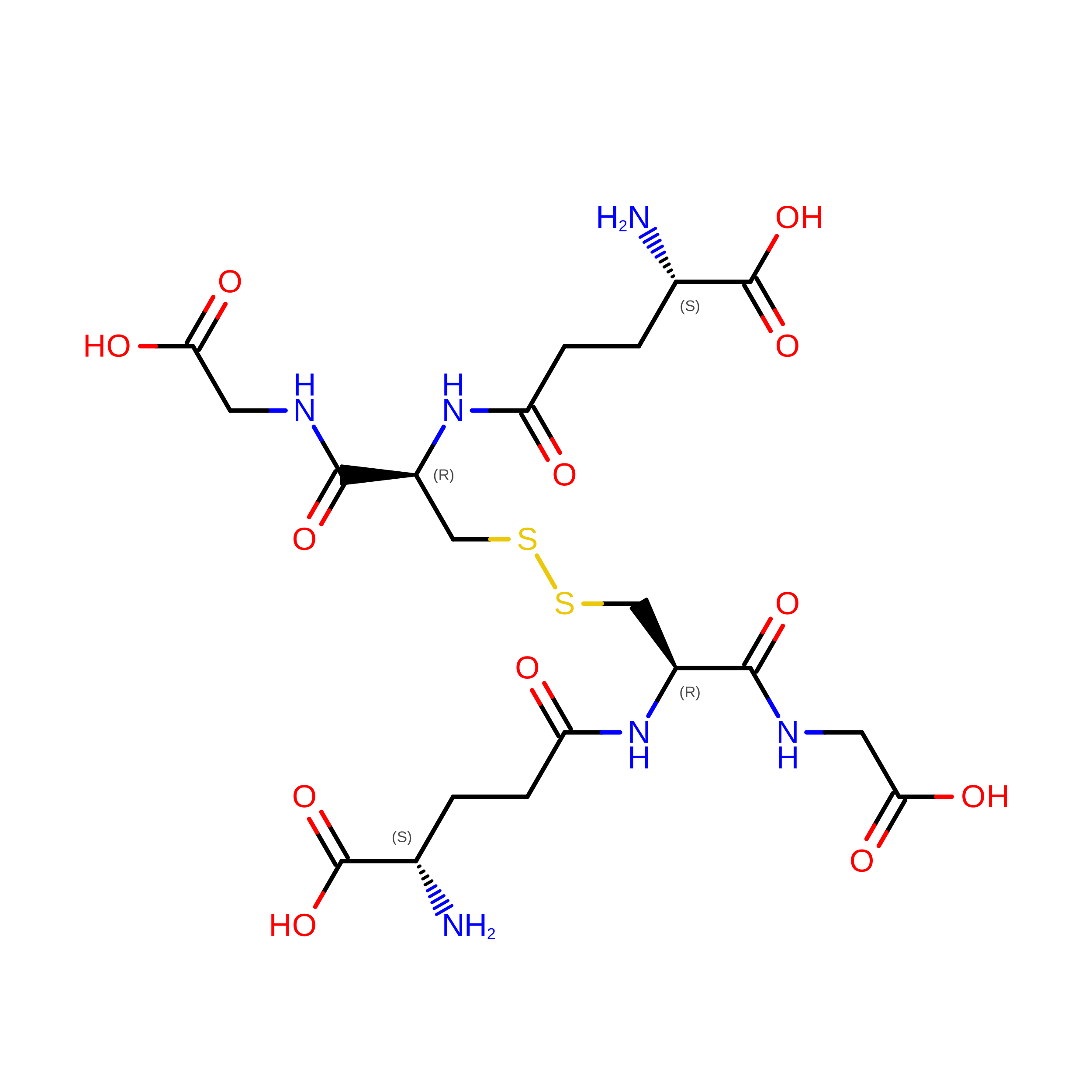
glutathione reductase molecular structure Disulfide - an overview Targeting Trypanothione Reductase, a Key
Description
Dietary intake is modest estimated at 100-150 mg/day from fruits, vegetables, and meats and much of this is broken down by digestive enzymes (gamma-glutamyltranspeptidase and dipeptidases) in the intestinal lumen before absorption [1][2]

As an important number of phenolic metabolites can be produced by the action of microbiota, at least part of the observed bioactivity related to antioxidants results from these microbiota metabolites

In M1 macrophages, a low ratio of -KG as a result of glutamine producing succinate can enhance their proinflammatory phenotype, which is beneficial for inhibiting the growth of tumor cells and enhancing their own immune function [24, 28] (Fig
Licensed, insured registered nurses with hospital IV experience


