


Olimp L-Carnitine 1500 Extreme Mega Caps
US$ 28.61
positive results require solution discard Peptide Integrity Verification Verify peptide integrity after reconstitution using HPLC or mass spectrometry Compare chromatographic profile to the Certificate of Analysis Test biological activity in a standard assay (e.g., receptor binding, cell response) Document all QC data for experimental reproducibility pH Measurement Measure pH of reconstituted solution using a calibrated pH meter Optimal pH range: 6.57.5 Adjust pH if necessary using minimal volumes of dilute HCl or NaOH Avoid extreme pH adjustments (may cause peptide degradation) Troubleshooting Common Issues Common issues and solutions for peptide reconstitution with bacteriostatic water: Peptide Does Not Dissolve Allow the vial to stand at room temperature for 3060 minutes

Aim for 10-15 repetitions several times daily
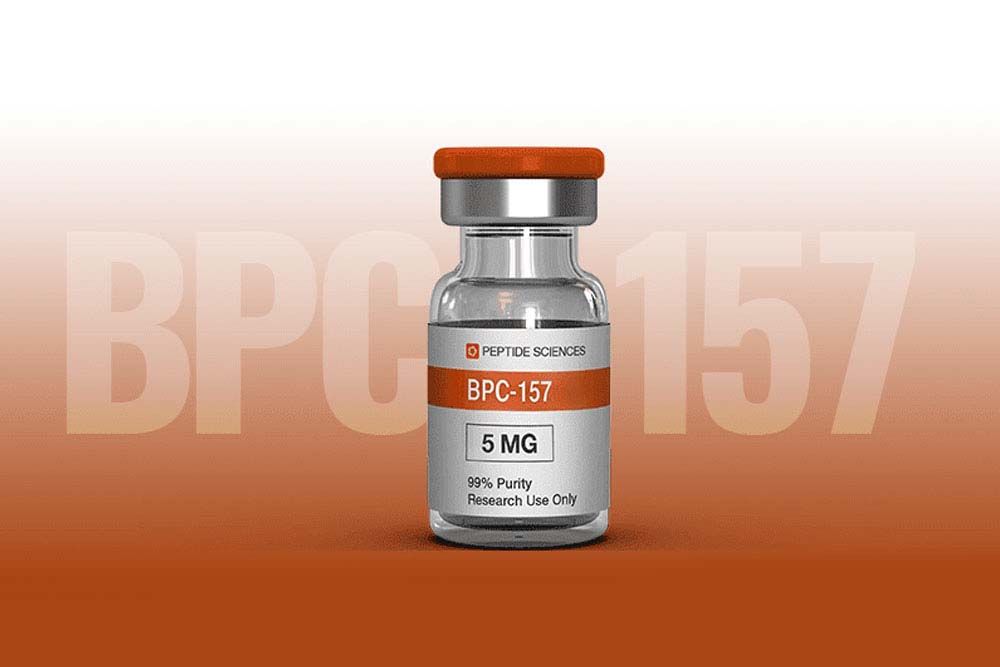
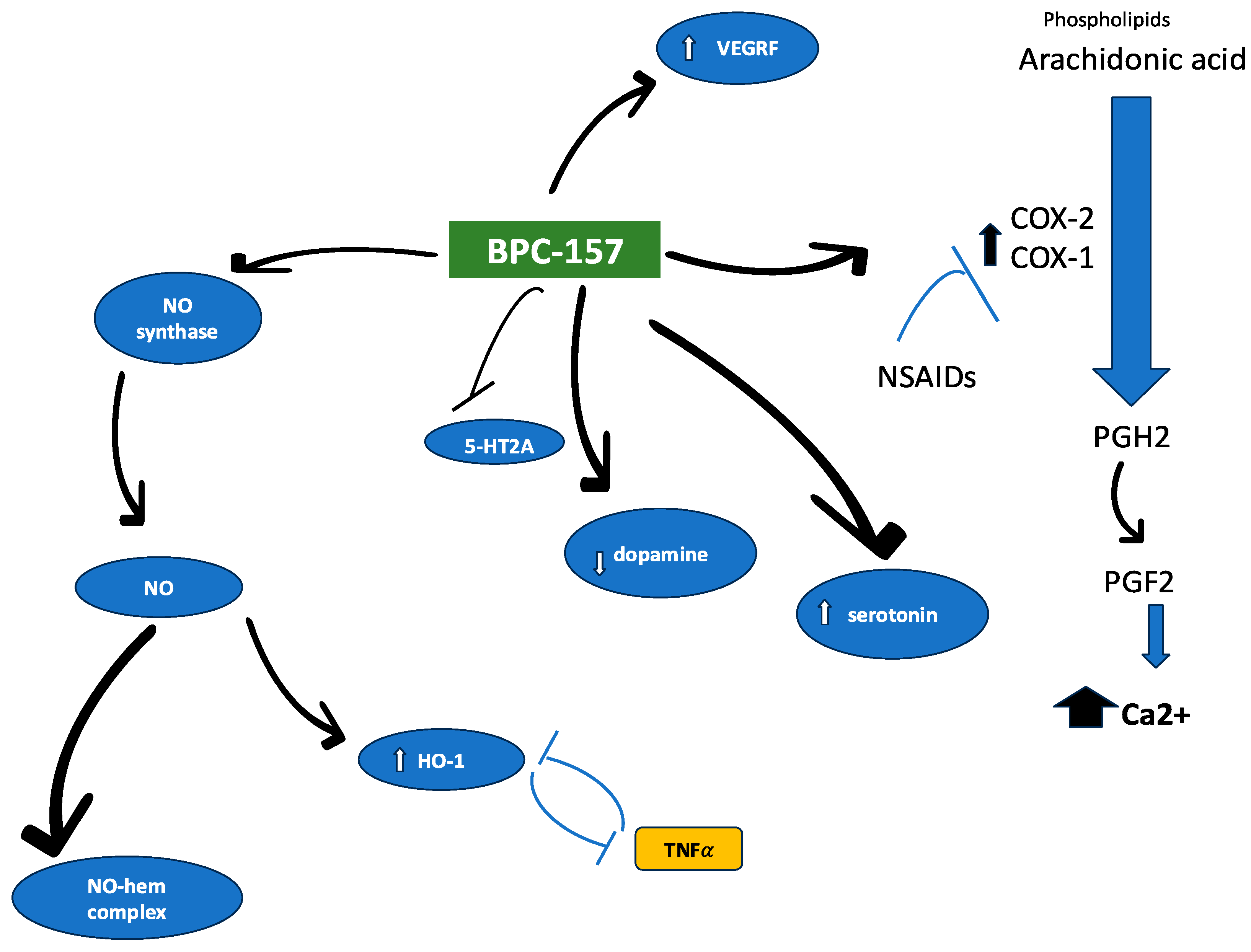
5a demonstrated that BPC 157 could induce a quick increase of Src phosphorylation at 30 and 60 min with the amount of total Src remained constant

[Google Scholar] 17.Wang J, Luo D, Liang M, Zhang T, Yin X, Zhang Y, Yang X, Liu W
US$ 28.61
US$ 21.92
US$ 21.86
US$ 24.17
US$ 29.94
US$ 23.91
US$ 26.32
US$ 22.58