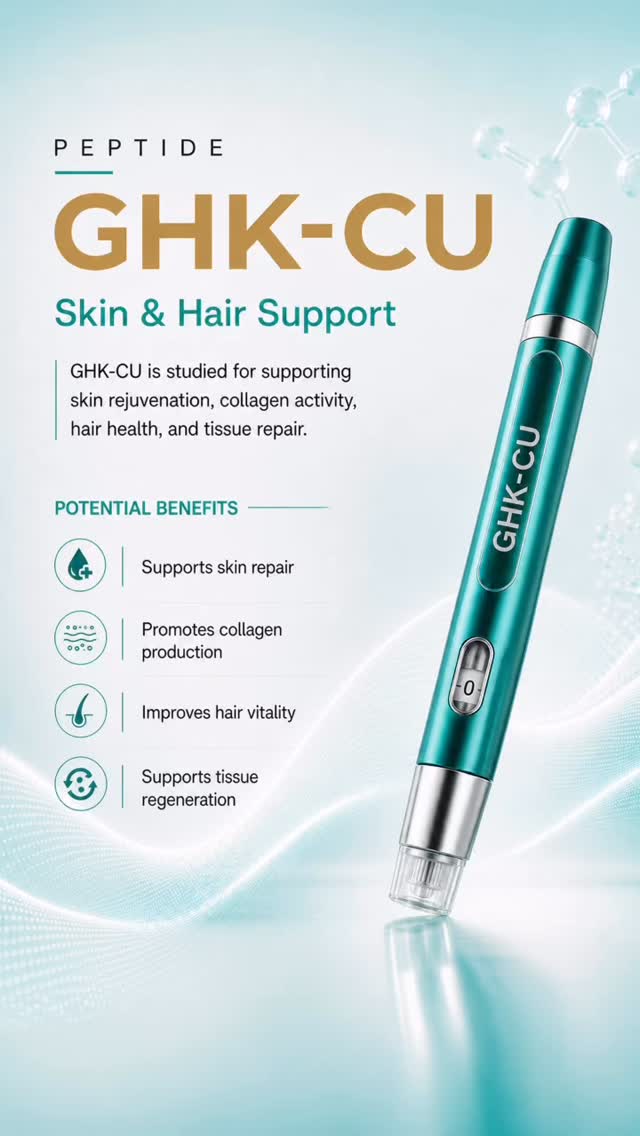
ghk-cu copper peptide function 🧬 Therapy GHK-Cu Copper Peptide 2026 Review:
Description
Platelet-rich plasma (PRP) therapy: Some emerging evidence exists, but PRP is not currently recommended by NICE and NHS availability is variable
Independent verification rare Janoshik testing credibility: Reputable independent lab (Poland) Standard in research peptide industry Conflict of interest: Vendor pays for testing Potential for selective testing (best batches only) But: Generally considered reliable Comparing testing practices: Transcend: Batch COAs, Janoshik testing Budget vendors (Amopure): Similar COAs, same lab Premium vendors: Often multiple labs, more frequent Compounding: FDA-required testing, highest standard Transcend's testing comparable to peers, not superior Purity and consistency analysis Claimed purity levels: 98-99%+ purity for most products Comparable to industry standard Matches competitor claims Question: Actual consistency vs tested samples User-reported consistency: Mixed feedback (standard for industry) Most report expected effects Some report underdosing (subjective) Batch variation possible 85-90% satisfaction typical Factors affecting consistency: Manufacturing source (not disclosed) Storage conditions (shipping, warehousing) Handling practices Age of product (shelf life) Individual response variation Signs of quality issues: Unusual color (should be white/off-white) Difficulty dissolving Particles or cloudiness after reconstitution Unexpected side effects Lack of expected results Realistic quality assessment: Likely 95-98% actual purity (vs 99% claimed) Batch variation exists (5-10% variance possible) Storage during shipping affects quality Comparable to other mid-tier vendors Better than budget, not as good as premium/pharma Quality control comparison: See peptide safety and risks for quality considerations

This batch of BPC-157 + TB-500 Peptide Blend has been third-party laboratory tested and verified for quality and consistency

BDNF tetrapeptides are the partial agonists of TrkB receptors that can reverse neurodegeneration in hippocampal neurons in animal models (Cardenas-Aguayo et al., 2013)


