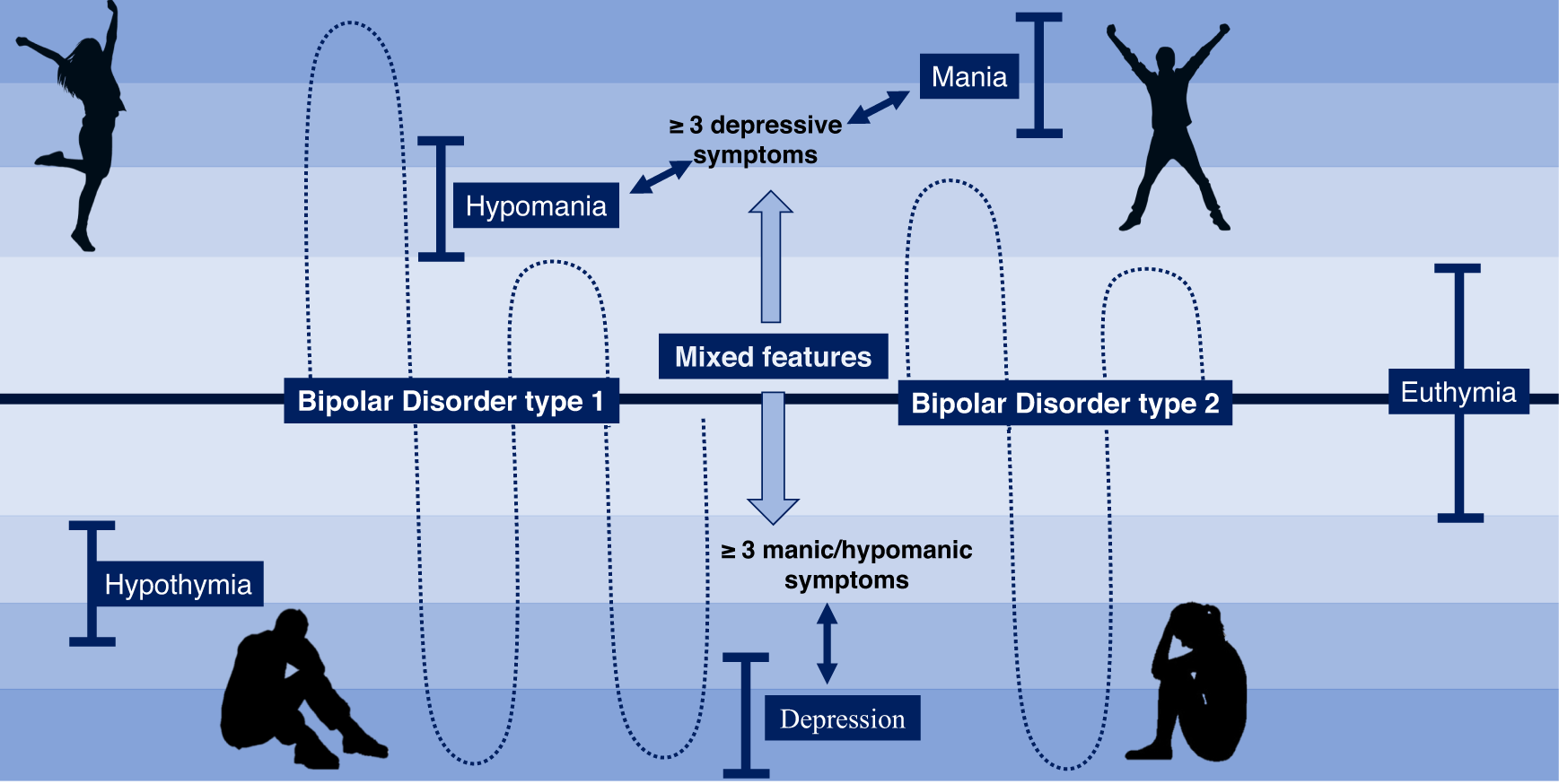
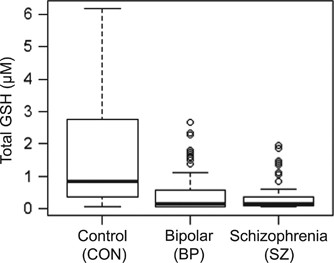
glutathione bipolar Microbiota–gut–brain axis mechanisms in the complex network of disorders: potential clinical implications and translational opportunities Reduction of plasma glutathione in
Description
The Open Orthopaedics Journal
Senescent cells, through the secretion of SASP factors into their environment, influence neighboring non-senescent cells and the extracellular matrix (ECM), leading to inflammation, fibrosis, and programmed death of healthy cells, while simultaneously becoming resistant to apoptosis [34]

Glutathione has been studied for its potential to reduce oxidative stress, a key factor in many chronic diseases

BPC-157: Standard shelf life: 28-30 days refrigerated Maximum (if necessary): 45 days, expect 10-15% potency loss Very stable peptide due to short sequence Shows minimal degradation in first month TB-500 (Thymosin Beta-4): Standard shelf life: 28-30 days refrigerated Maximum: 45-60 days, expect 15-20% potency loss Relatively stable in solution Longer peptide chain but still maintains structure well KPV: Standard shelf life: 28-30 days refrigerated Maximum: 30-40 days Tripeptide (very short), highly stable Minimal degradation within first month Recommendation: Follow 28-30 day rule for these healing peptides


