
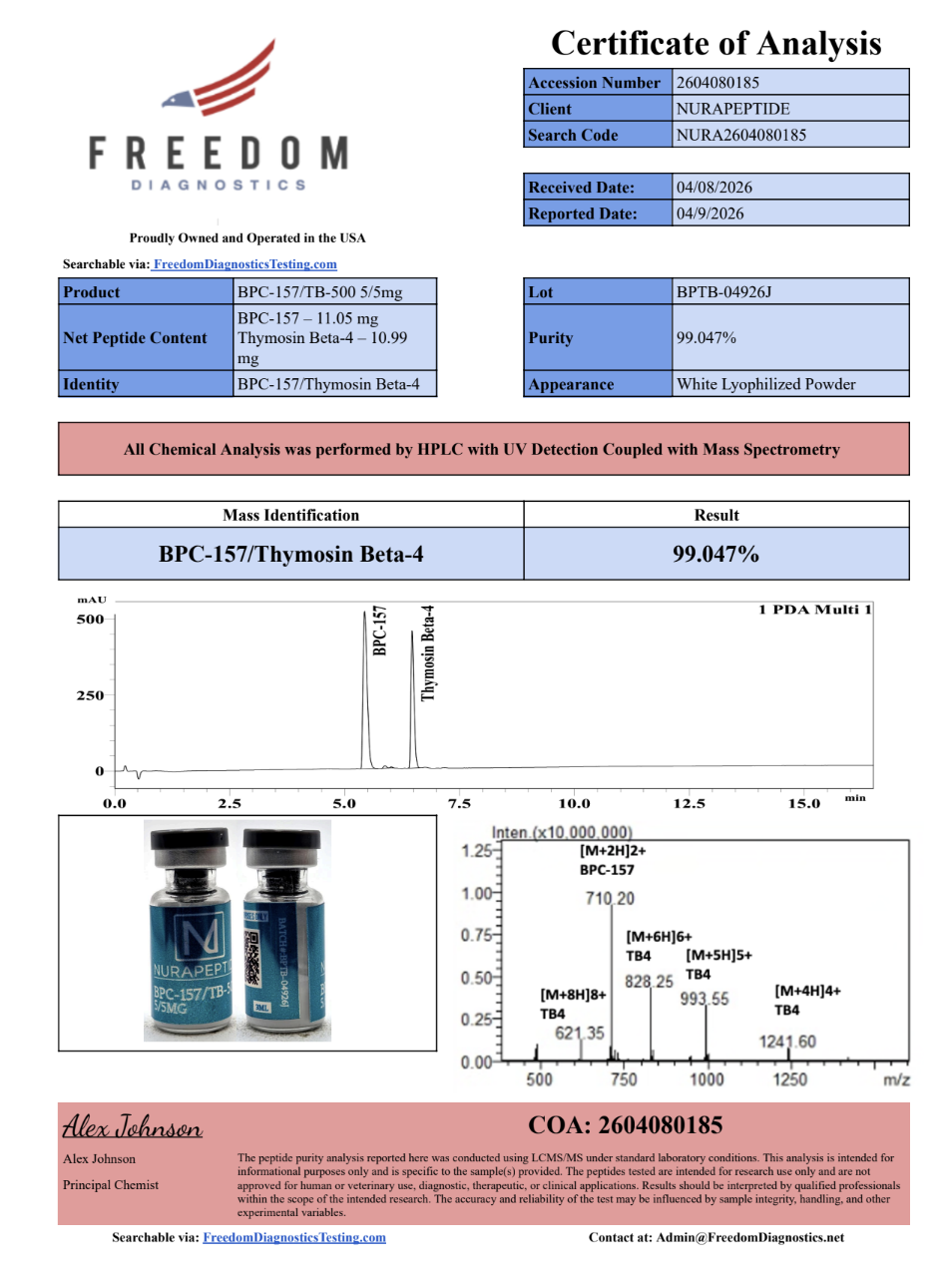
freedom bpc 157 BPC-157 / TB-500 / GHK-Cu 10/10/50 Wolverine Blend ( BPC-157 /
Description
My journey with this peptide has been nothing short of amazing
Ultimately, increased financial backing helps overcome barriers such as high trial costs and complex regulatory requirements, fueling overall market expansion

Li, B., Zhu, D., Shi, H
Matthew Pincus and colleagues at the State University of New York (SUNY) Downstate Medical Center, combining two functional domains into a single 32-residue sequence: The HDM-2-binding domain p53 residues 1226, derived from the amino-terminal transactivation domain of the p53 tumour suppressor protein that naturally binds to HDM-2 (human double minute 2, also known as MDM2) A transmembrane-penetrating (membrane residency) peptide (MRP) derived from the Antennapedia homeodomain, fused to the C-terminus to enable membrane interaction and insertion upon target engagement What makes PNC-27 unique among anticancer research peptides is its proposed mechanism of action rather than triggering intracellular apoptosis pathways (the mechanism of most conventional chemotherapeutic approaches), PNC-27 targets HDM-2 expressed on the outer plasma membranes of cancer cells, forming transmembrane pores that cause rapid necrotic cell death through a process researchers have termed poptosis (peptide-induced transmembrane pore formation)


