FREE SHIPPING ON ORDERS OVER $150

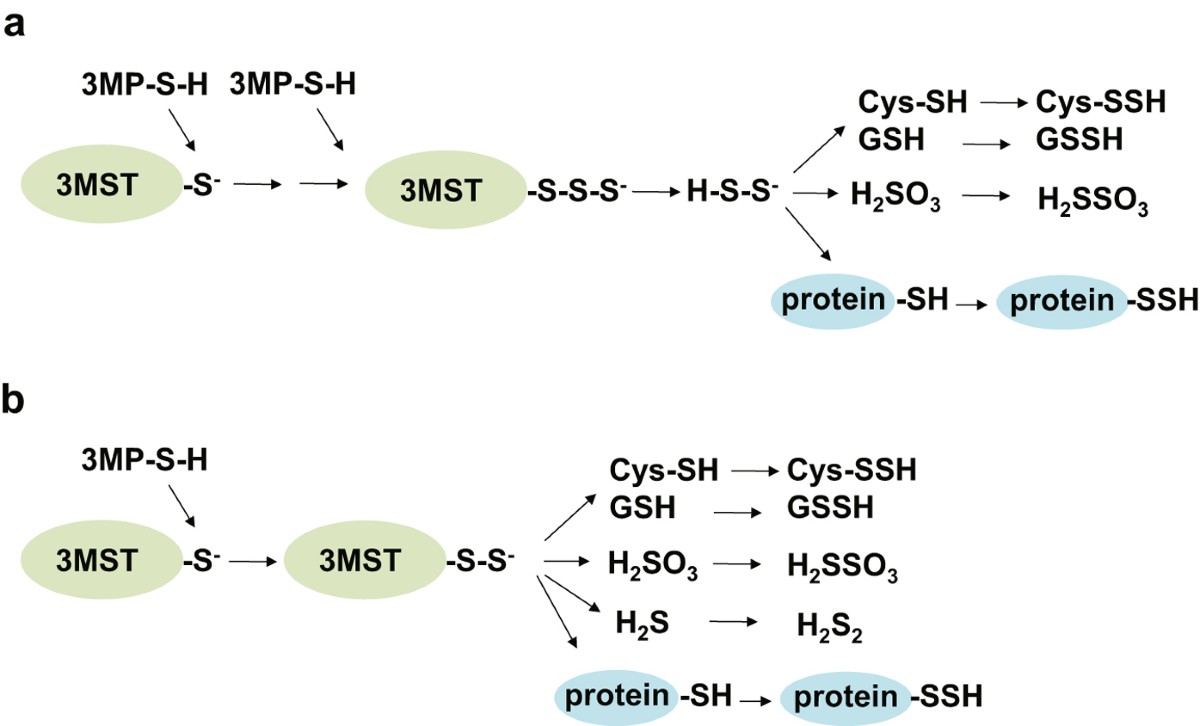
glutathione gs-sh 3-Mercaptopyruvate sulfurtransferase produces potential redox regulators cysteine- and glutathione-persulfide (Cys-SSH and GSSH) together with signaling molecules H2S2, H2S3 and H2S providing a 2 How to Increase Cellular Glutathione

$24.68

Quantity
- +
Description

[DOI] [PMC free article] [PubMed] [Google Scholar] 20.De Marco F
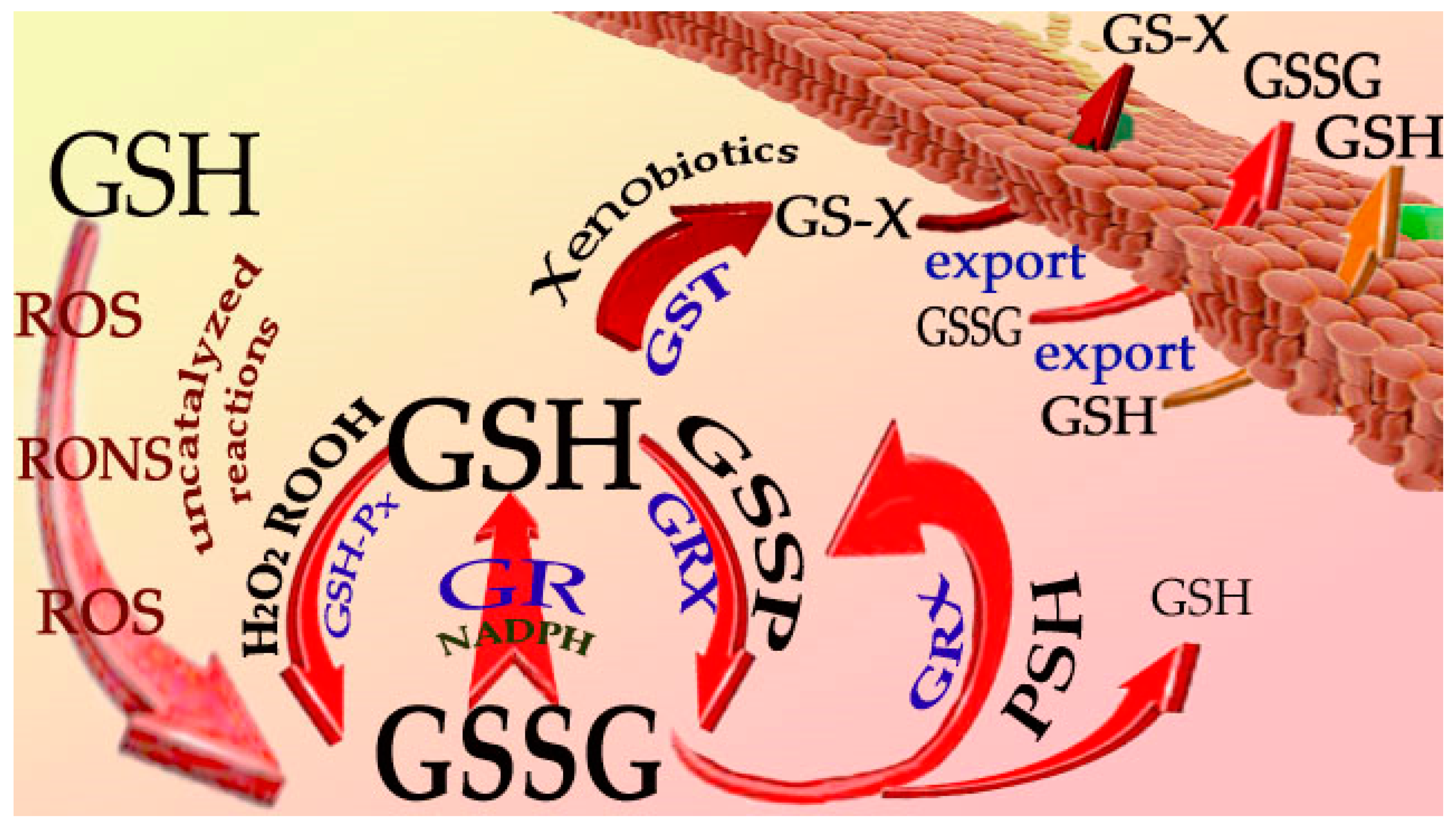
glutathione gs-sh 3-Mercaptopyruvate sulfurtransferase produces potential redox regulators cysteine- and glutathione-persulfide (Cys-SSH and GSSH) together with signaling molecules H2S2, H2S3 and H2S providing a 2 How to Increase Cellular Glutathione

The toxicity of hydroxypyridones might be related to the Fe 3+ complexes that may generate free radicals (Kalinowski and Richardson, 2005
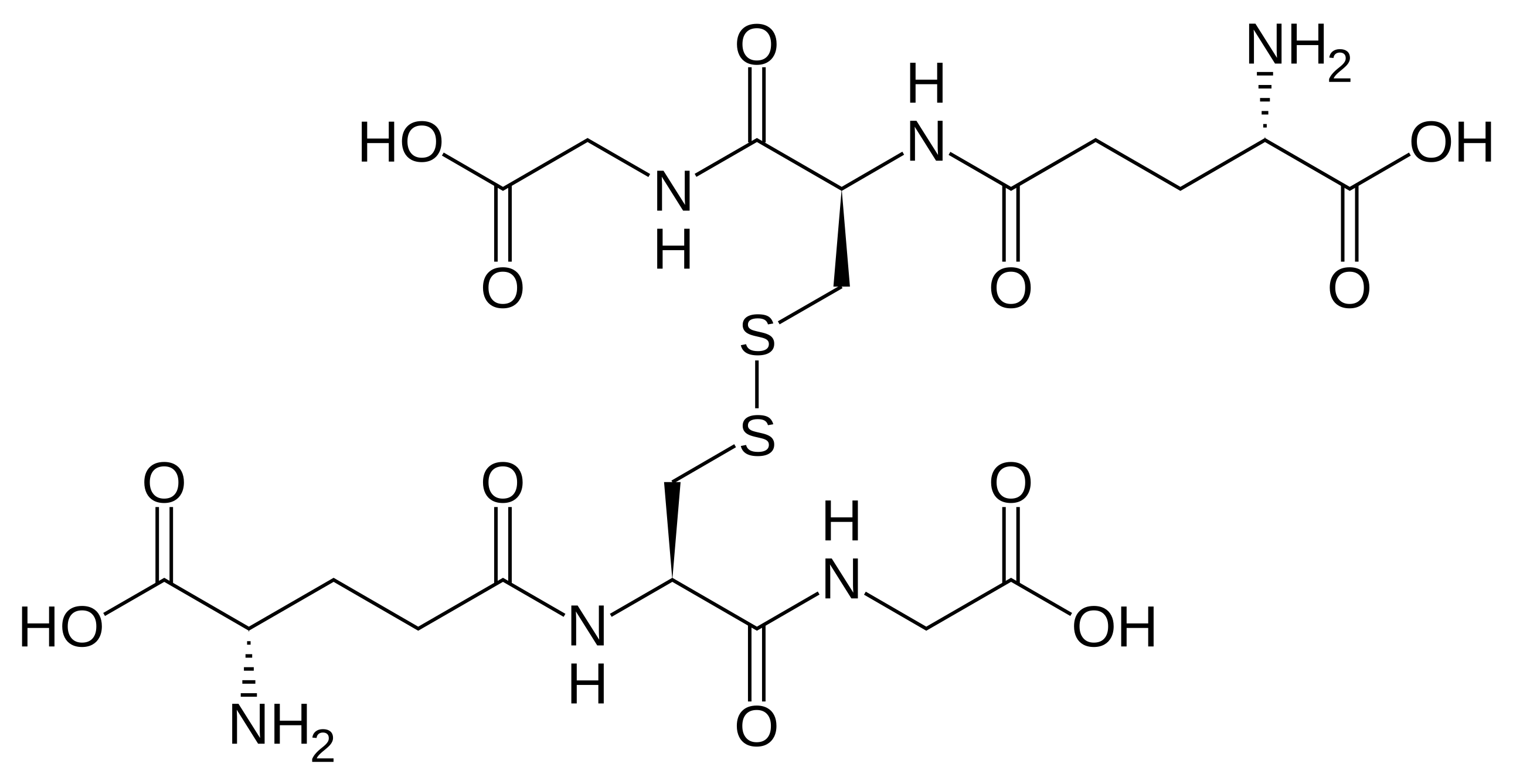
glutathione gs-sh 3-Mercaptopyruvate sulfurtransferase produces potential redox regulators cysteine- and glutathione-persulfide (Cys-SSH and GSSH) together with signaling molecules H2S2, H2S3 and H2S providing a 2 How to Increase Cellular Glutathione

The Underlying Toxic Mechanism of Gliotoxins 2.1
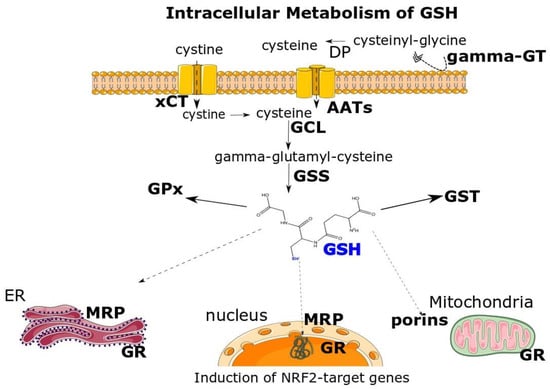
glutathione gs-sh 3-Mercaptopyruvate sulfurtransferase produces potential redox regulators cysteine- and glutathione-persulfide (Cys-SSH and GSSH) together with signaling molecules H2S2, H2S3 and H2S providing a 2 How to Increase Cellular Glutathione

Mann et al., 1997

glutathione gs-sh 3-Mercaptopyruvate sulfurtransferase produces potential redox regulators cysteine- and glutathione-persulfide (Cys-SSH and GSSH) together with signaling molecules H2S2, H2S3 and H2S providing a 2 How to Increase Cellular Glutathione

You may also like

recommand products