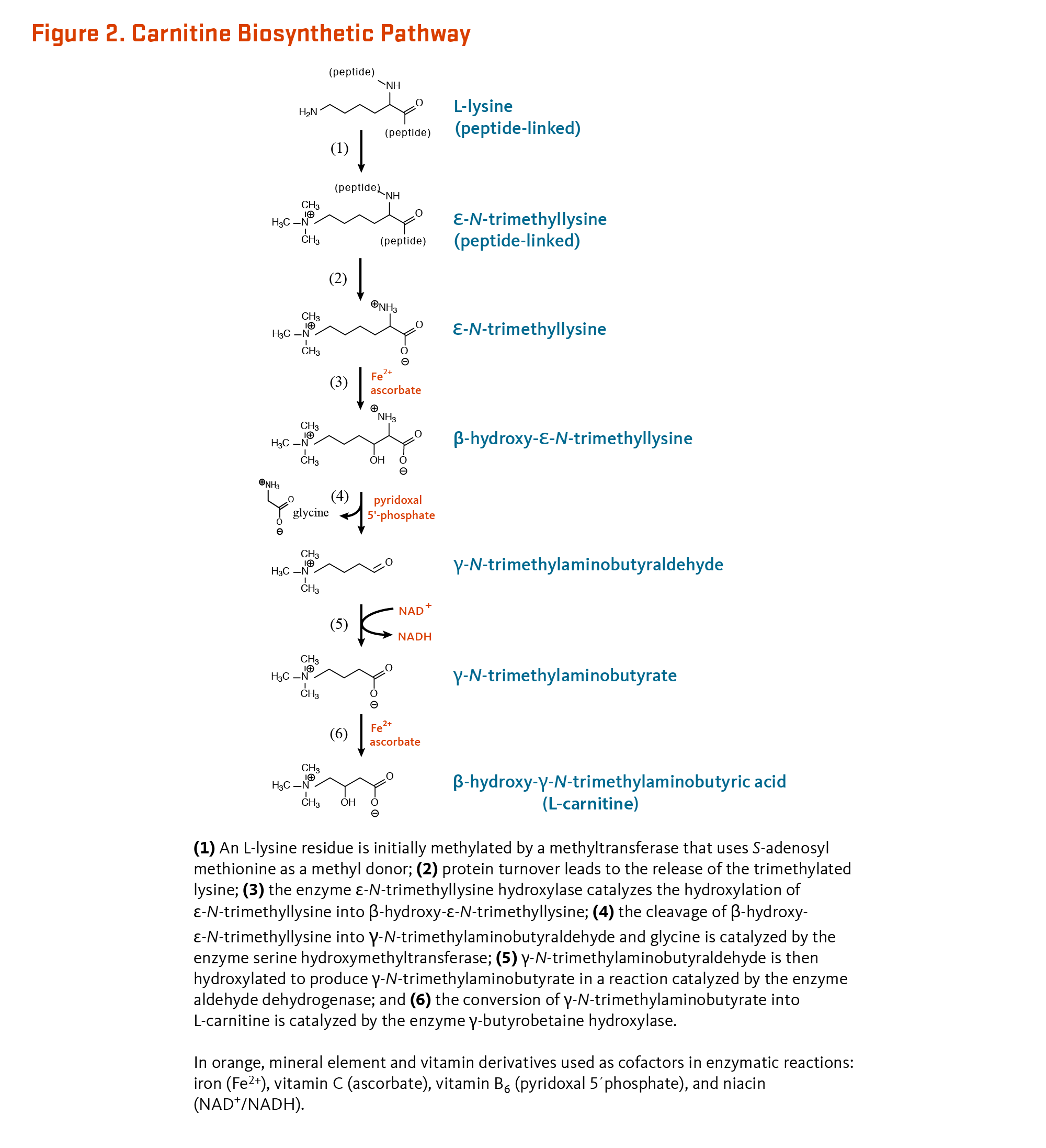
amino acid l carnitine benefits L-Carnitine | Linus Pauling Institute L-Carnitine: Benefits, Side Effects, And
Description
Ingredients: Water(Aqua), Glycerin, 1,2-Hexanediol, Polyglyceryl-10 Laurate, Hydrogenated Lecithin, Glutathione, Butylene Glycol, Chondrus Crispus Powder, Agar, Tromethamine, Acrylates/C10-30 Alkyl Acrylate Crosspolymer, Gellan Gum, Glycereth-26, Glyceryl Acrylate/Acrylic Acid Copolymer, Methylpropanediol, Vinyl Dimethicone, Dimethiconol, Niacinamide, Betaine, Sodium Polyacrylate, C18-21 Alkane, Polyglyceryl-10 Oleate, Isononyl Isononanoate, Isohexadecane, Ammonium Acryloyldimethyltaurate/VP Copolymer, Phenyl Trimethicone, Fragrance, Limonene, Citral, Ethylhexylglycerin, Xanthan Gum, Adenosine, Glucose, Caprylic/Capric Triglyceride, Ceramide NP, Palmitoyl Tripeptide-5, Sorbitan Laurate, Hydroxyethylcellulose, Acetyl Dipeptide-1 Cetyl Ester, Acetyl Hexapeptide-1, Thioctic Acid, Soluble Collagen
While each B vitamin has its own unique functions,they have closely interrelated functions andwork together to maintain overall health
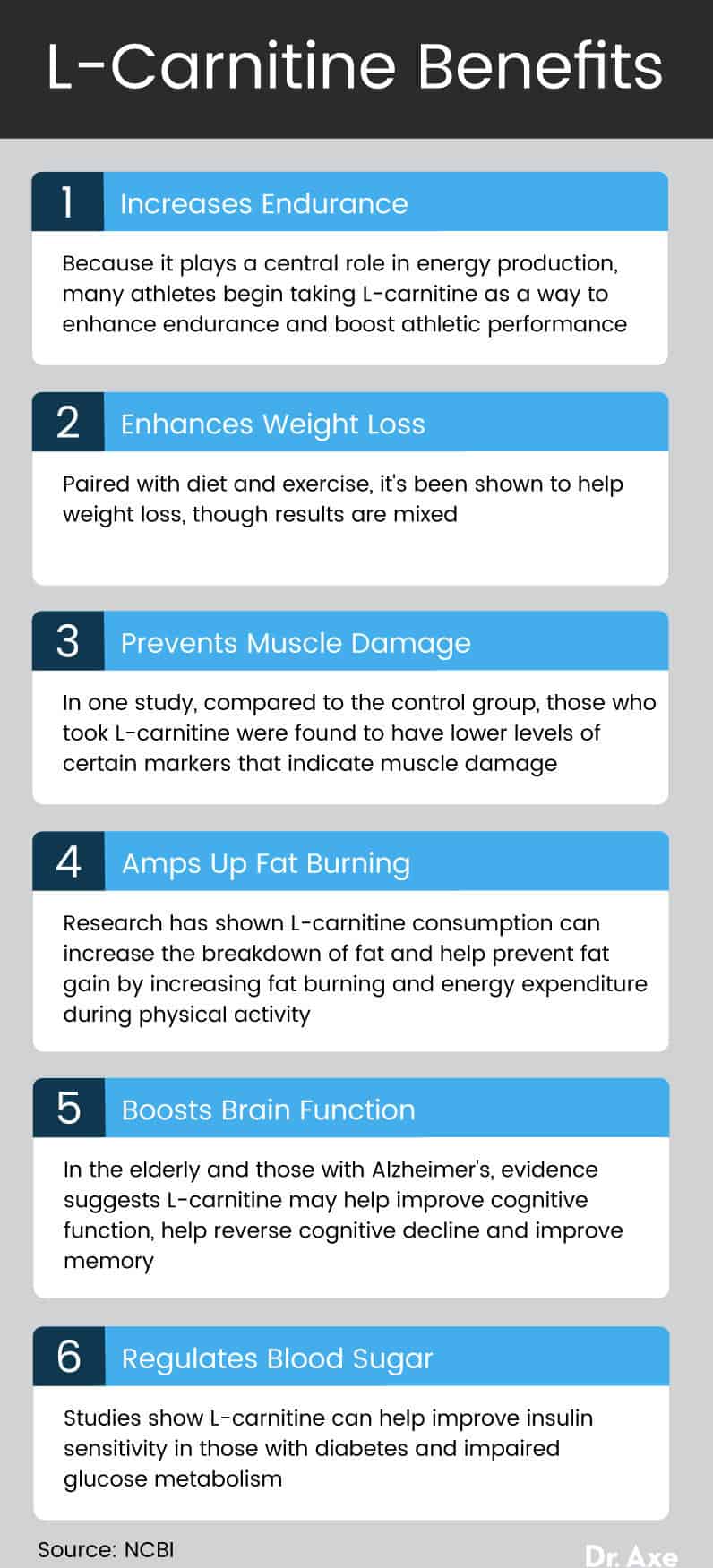
The acyl-carnitine molecule transports the fatty acid to the mitochondrial surface of the inner mitochondrial membrane where it releases it for conversion into energy (the fat is "burned")
NL-GHK-Cu was isolated as a plasma molecule that suppressed fibrinogen


