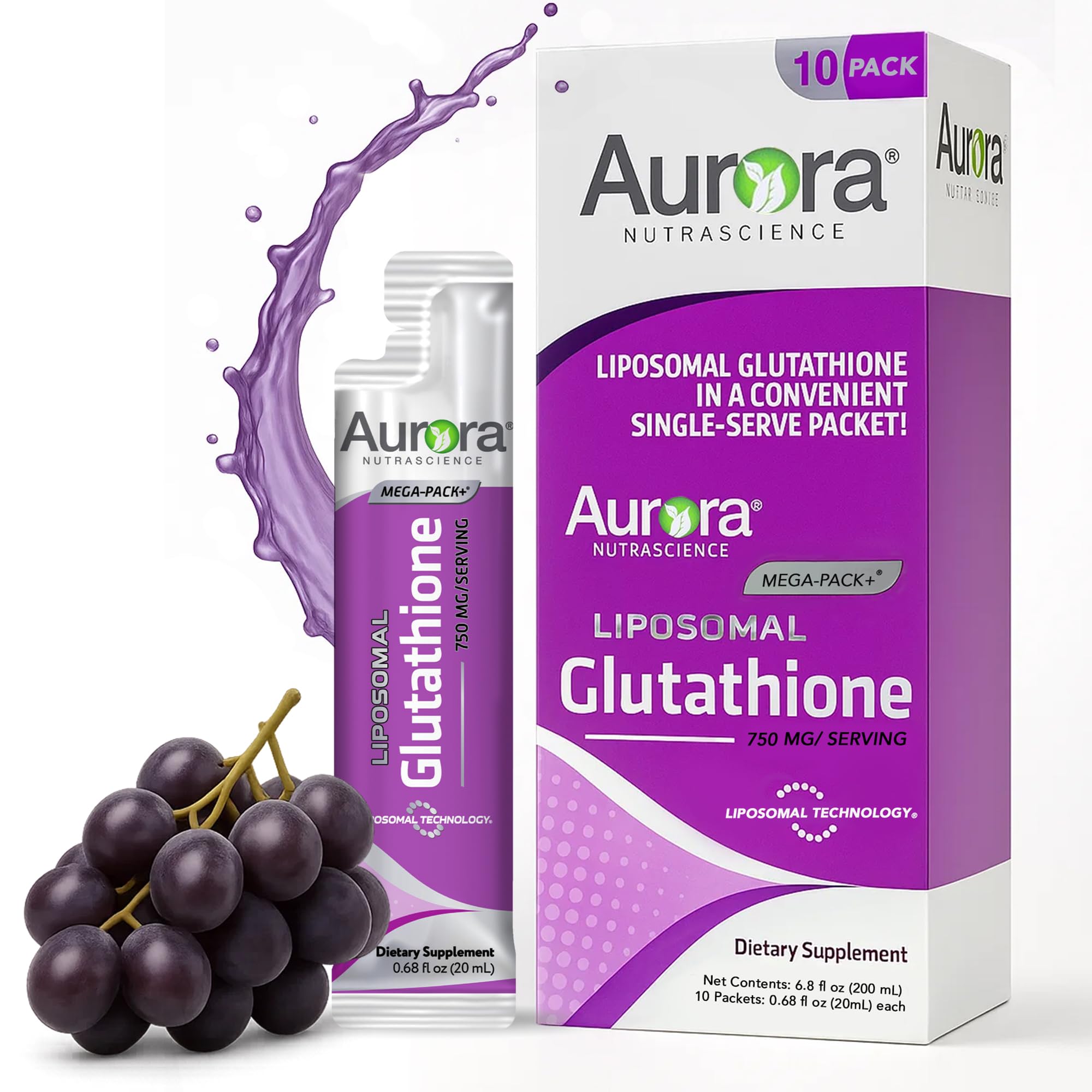
glutathione stransferase uniprot Amazon.com: Aurora Nutrascience Mega-Pack Liposomal - 750 mg Liquid Supplement, Antioxidant Support for Men & Women, Sugar Free, Non-GMO, Liposomal Glutathione Packets Identification and Functional Analysis of
Description
Safety Disclaimer: This product is a dietary supplement and is not intended to diagnose, treat, cure, or prevent any disease

Glutathione, a crucial endogenous antioxidant, has been proposed as a potential neuroprotective agent capable of mitigating MDMA-induced cerebral damage.Sixty adult male Wistar rats were randomly assigned to six experimental groups and administered oral treatments for 56 days: MDMA (5 mg/kg or 15 mg/kg), glutathione (15 mg/kg), or their combinations

combined with BPC-157, it can lessen fibrosis and support connective tissue resilience.[3][4] Gut Healing: BPC-157 offers gastrointestinal protection and is indicated (experientially) for conditions like leaky gut or IBD in adjunctive settings.[1] Enhanced Collagen Synthesis: Both BPC-157 and GHK-Cu stimulate new collagen and elastin, strengthening tissues, reversing damage, and fortifying recovery.[5][1] Aesthetic Enhancement: The blend is marketed widely for radiance, reducing scarring, improving skin luminosity, and assisting in post-procedural and aesthetic healing protocols.[6][4][3] Typical Administration Regimen: Often prepared as a single daily injection, with a monthly protocol (30 days common) for maximal effect.[4][3] Dosing (research/clinic ranges): BPC-157 (5mg), TB-500 (10mg), GHK-Cu (1027mg) per vial/dose.[7][2][1] Target Users: Those seeking rapid recovery from soft tissue injuries, optimized post-surgical rehabilitation, skin rejuvenation/cosmetic enhancement, and enhanced healing capacity.[2][3][1] Clinical Considerations While individual support from each peptide is well characterized in wound healing, regeneration, and aesthetic medicine, limited large-scale clinical trials exist for the exact GLOW combination
Here, we evaluated the effects of folic acid intervention on methylation cycles and oxidative stress in autistic children enrolled in structured teaching


