FREE SHIPPING ON ORDERS OVER $150

glp-1 taste in mouth πŸ’‘ New research suggests a possible side effect of medications. The study found: βœ”οΈ 48% higher risk of smell or disorders βœ”οΈ 81% higher risk of smell changes βœ”οΈ 52% GLP-1s can enhance taste, or

$24.85

Quantity
- +
Description

Many neuroprotective effects remain to be causally associated with anti-inflammatory mechanisms, and some Alzheimers disease mouse models did not respond to semaglutide or tirzepatide, emphasizing that not all neural benefits are consistent across studies

glp-1 taste in mouth  New research suggests a possible side effect of medications. The study found:  48% higher risk of smell or disorders  81% higher risk of smell changes  52% GLP-1s can enhance taste, or

Lancet Diabetes Endocrinol 3(6):450460

glp-1 taste in mouth  New research suggests a possible side effect of medications. The study found:  48% higher risk of smell or disorders  81% higher risk of smell changes  52% GLP-1s can enhance taste, or

Sarah Ackley, a dementia epidemiologist at Brown University wasnt surprised by the failure and told Being Patient that people taking GLP-1s tend to be wealthier, healthier and have better preventative care, which means theyre less at risk of Alzheimers

glp-1 taste in mouth  New research suggests a possible side effect of medications. The study found:  48% higher risk of smell or disorders  81% higher risk of smell changes  52% GLP-1s can enhance taste, or

This review may provide a background to guide future research about the cellular mechanisms of GLP-1-induced feeding inhibition
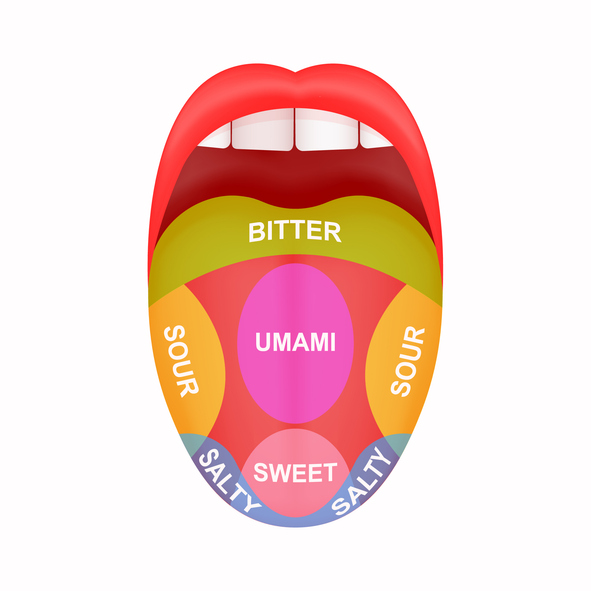
glp-1 taste in mouth  New research suggests a possible side effect of medications. The study found:  48% higher risk of smell or disorders  81% higher risk of smell changes  52% GLP-1s can enhance taste, or

You may also like

recommand products