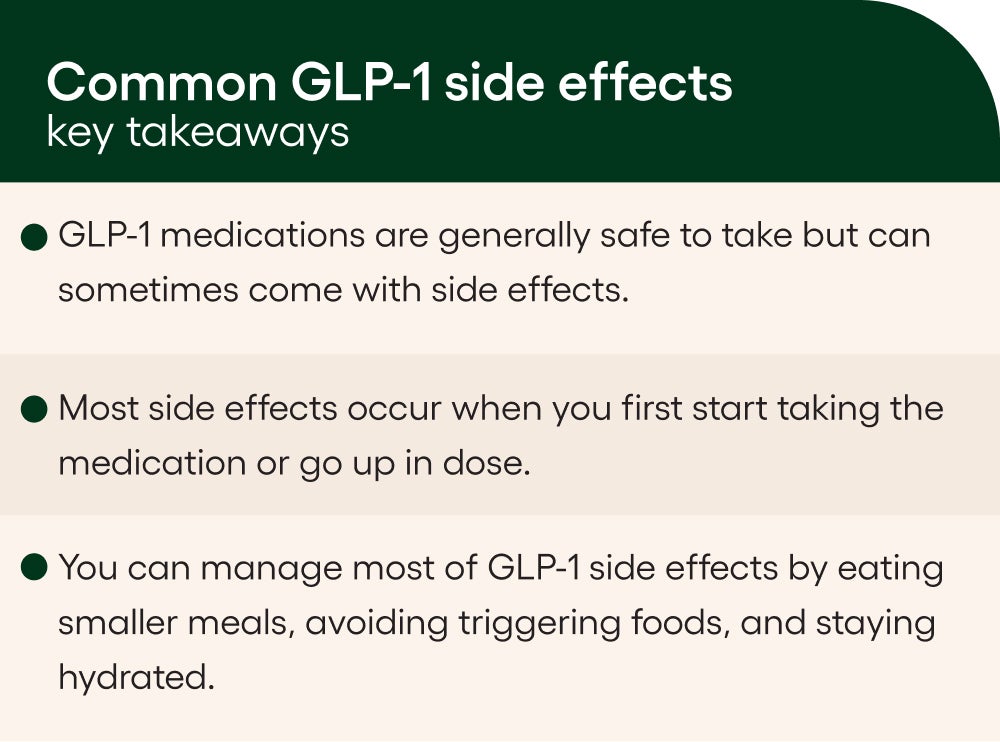
glp 1 contraindications Your guide to GLP-1 side effects Who Should Avoid GLP-1 Weight
Description
Deciding between metformin and semaglutide for managing PCOS depends on your specific symptoms, goals, and financial considerations

GLP-1 receptor agonists like semaglutide have been examined through large-scale, randomized, placebo-controlled clinical trials involving thousands of participants

Use of GLP-1 receptor agonist and risk of osteoporosis among patients with type 2 diabetes: a real-world study

Real-World Examples: 250-Pound Person: Average loss: 56 pounds (22.5%) Final weight: 194 pounds Timeline: 18-20 months 200-Pound Person: Average loss: 45 pounds (22.5%) Final weight: 155 pounds Timeline: 18-20 months 300-Pound Person: Average loss: 67 pounds (22.5%) Final weight: 233 pounds Timeline: 20-24 months Dosing Schedule: Standard Escalation: Weeks 1-4: 2.5 mg weekly (starting dose) Weeks 5-8: 5 mg weekly Weeks 9-12: 7.5 mg weekly Weeks 13-16: 10 mg weekly (if tolerating well) Weeks 17-20: 12.5 mg weekly (if needed) Week 21+: 15 mg weekly (maximum dose for weight loss) Flexible Dosing: Not everyone needs maximum 15 mg dose Many achieve excellent results at 10 mg Provider adjusts based on results and tolerance Can stay at effective dose rather than pushing to maximum Side Effects: Most Common: Nausea: 30-37% (lower than semaglutide despite higher potency) Diarrhea: 19-23% Vomiting: 9-17% Constipation: 10-17% Abdominal discomfort: 8-11% Interesting Finding: Despite being more potent, tirzepatide causes less nausea and vomiting than semaglutide


